AutomationGeneral applications

Fully automated dishwashing & ware-sanitising system

End-to-end automation · high-temperature sanitising · IoT remote monitoring · energy management

Automated conveyor de-scrap, sorting, high-temperature wash/sanitise and trolley washing with built-in IoT — cutting water 30%, power 50%, detergent 40%.

Overview

Fully automated dishwashing & ware-sanitising system

Challenges

  • High-turnover food-service operations process huge volumes of tableware and kitchenware every day.
  • Manual washing is slow, hygiene standards are hard to guarantee, and operators face rising labour costs, tableware breakage and strict high-temperature sanitising requirements under food-hygiene regulations.

Solution Design

- New Forward offers two configurations for different scenarios.

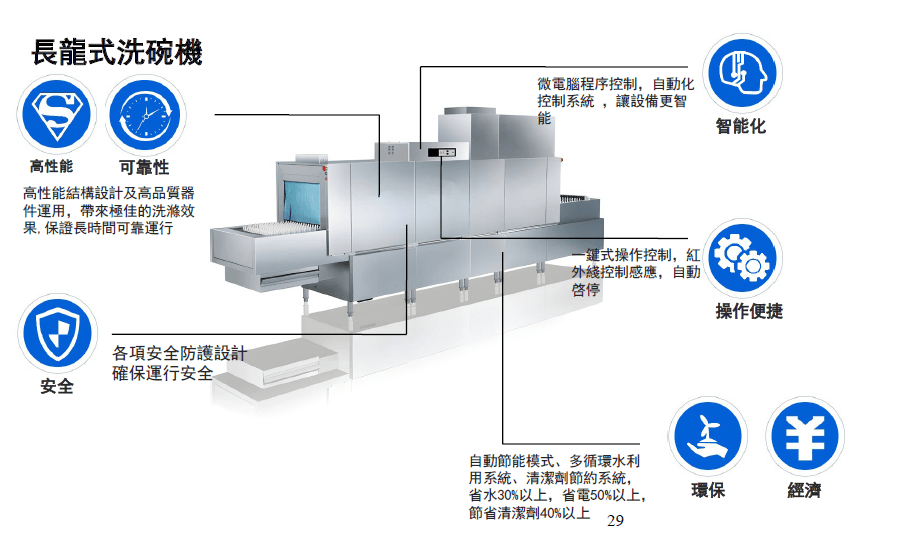
- The conveyor-line buffet dishwashing system suits large canteens and buffet restaurants: a round-belt conveyor links the dining area to the wash room, tableware enters the de-scrap sorting machine automatically, and dishes, trays and food waste are separated into three streams; waste is ground and dewatered to shrink its volume by up to 85%; dishes then pass through a flight-type dishwasher that runs main wash (55–65°C), triple rinse (82°C and above) and drying fully automatically, saving 3+ staff in annual labour.

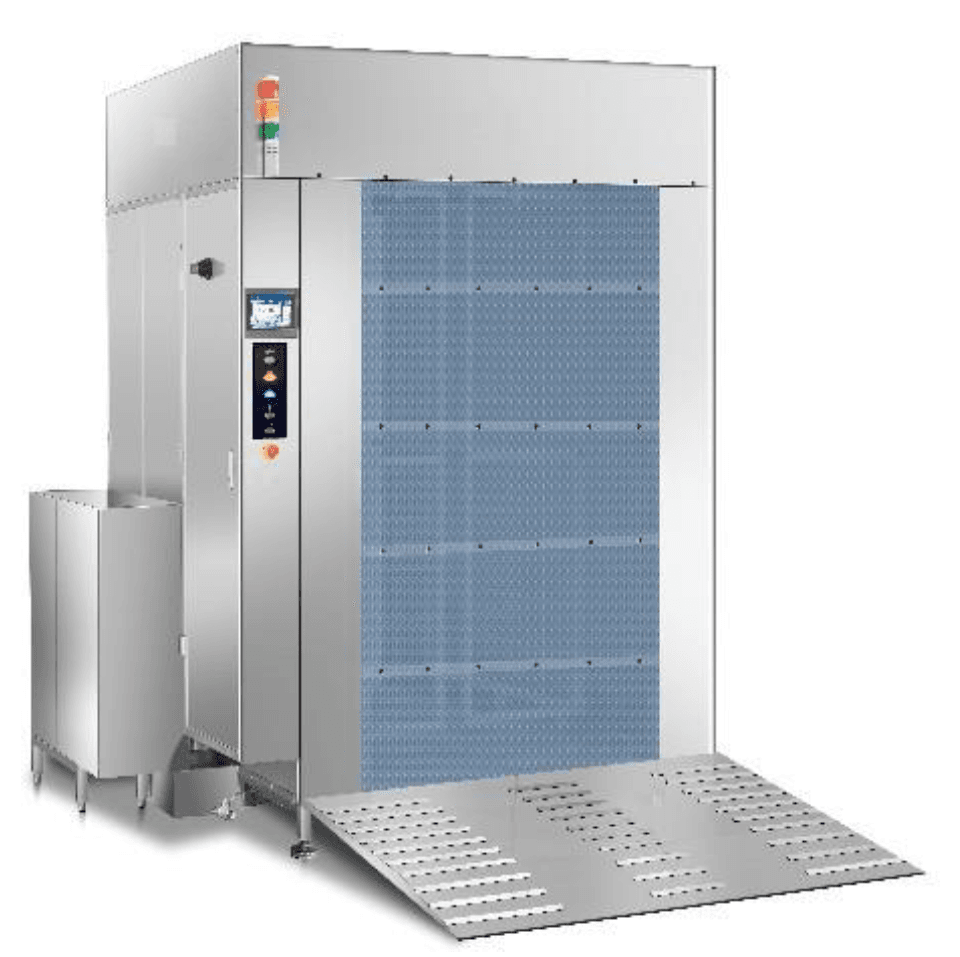
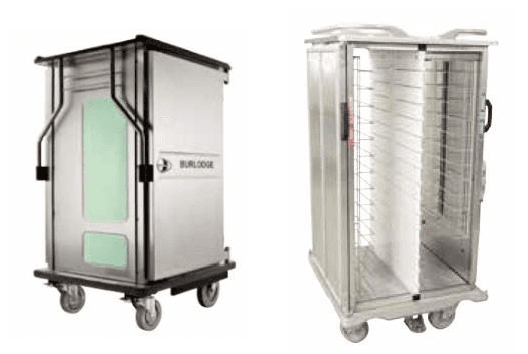
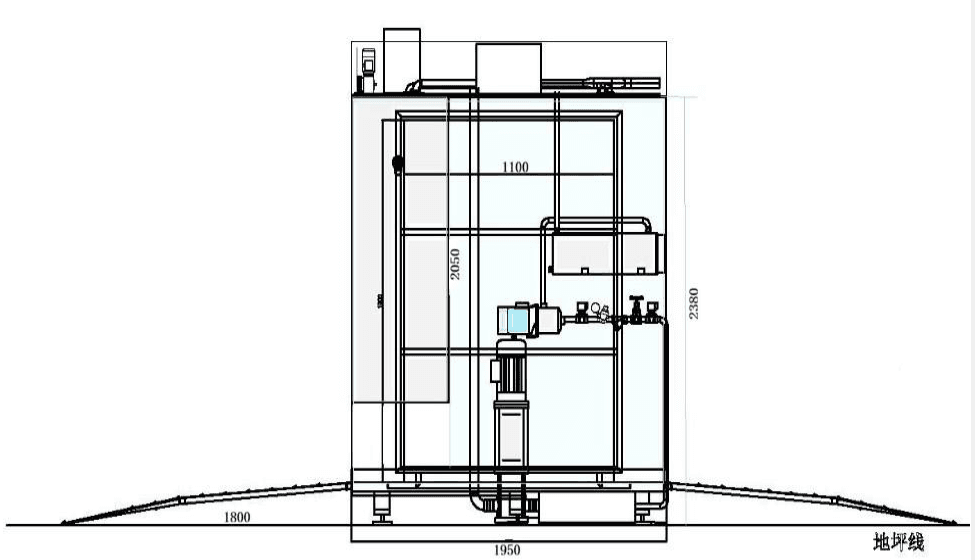
- The large trolley & kitchenware washer suits heavy-duty settings such as central kitchens, airline catering and hospital meal supply: the chamber uses 360° rotating vortex pressure-boosted high-pressure washing (jet pressure ≥5 bar), processes 12–20 trolleys per hour, and reaches 88–92°C in the high-temperature rinse stage — fully meeting food-hygiene sanitising requirements — with trolley dimensions customisable up to 1,100 × 1,100 × 2,020 mm.

Core Benefits

- Both systems have a built-in IoT module supporting TCP/IP remote connection and CSV data export, giving real-time visibility of operating temperature, water consumption and power consumption for each wash cycle, with anomaly alerts to notify managers.

- A heat-recovery design preheats 5°C cold inlet water to 45°C, cutting water use by 30%+, power by 50%+ and detergent by 40%+ overall.

Deployment & Operations

- The solution has been deployed at a major hotel resort in Macau and at a well-known international warehouse-retail chain, proving its stability and reliability in high-specification, high-frequency use.

Gallery

Fully automated dishwashing & ware-sanitising system image 1
Fully automated dishwashing & ware-sanitising system image 2
Fully automated dishwashing & ware-sanitising system image 3
Fully automated dishwashing & ware-sanitising system image 4
Fully automated dishwashing & ware-sanitising system image 5

Key features

Fully automated conveyor de-scrap & sorting

A round-belt conveyor moves tableware straight from the dining area to the wash room, where the de-scrap sorting machine separates dishes, trays and food waste into three streams — eliminating manual handling, cutting 3+ operators and dramatically lowering labour costs.

Triple high-temperature sanitising rinse

A 55–65°C main wash thoroughly removes grease, the triple-rinse stage rises above 82°C for high-temperature sanitising, and the final rinse can reach 88–92°C — fully meeting food-hygiene regulations and ensuring tableware and kitchenware meet hygiene standards.

Full-enclosure high-pressure trolley washing

For large kitchen trolleys and kitchenware, the chamber uses 360° rotating vortex pressure-boost technology at ≥5 bar jet pressure, processing 12–20 trolleys per hour with customisable load capacity — ideal for airline catering, hospitals and central kitchens.

IoT remote monitoring & energy tracking

The built-in IoT module supports TCP/IP remote connection, giving real-time visibility of each wash cycle's operating temperature, water use and power consumption, with anomaly alerts for managers, plus CSV export for integration with back-end facility-management systems.

Lower water, power & detergent use

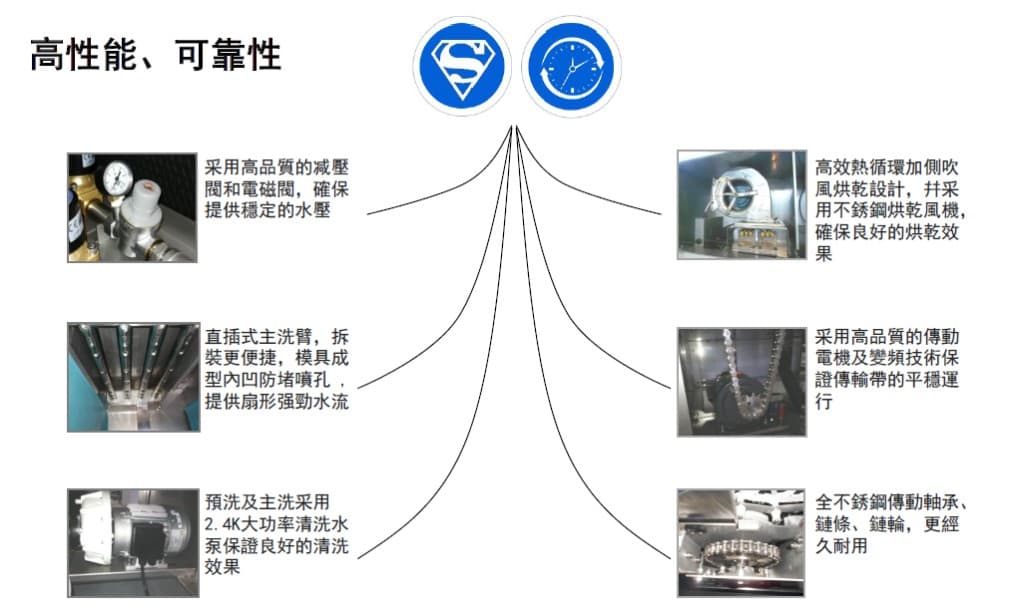
Heat recovery preheats cold inlet water from 5°C to 45°C; recirculated triple-rinse water cuts water use by 30%+, a double-insulated body with heat circulation cuts power by 50%+, and a dosing-control system cuts detergent by 40%+.

Food-waste volume reduction

A waste-collection sump paired with a grinding-dewatering unit shrinks food-waste volume by up to 85%, reducing how often bins are changed; once desalted and de-oiled, the waste can go straight to downstream composting / bio-treatment, meeting environmental requirements.

FAQ

Can the buffet dishwashing system and the large trolley washer be purchased separately?
Yes — they can be configured flexibly to suit the venue. Buffet restaurants and canteens can choose the de-scrap conveyor + flight-type dishwasher combination; kitchens or sites that need to wash service carts or baking trolleys can take the trolley washer on its own; or both systems can be deployed together sharing a single IoT monitoring platform to manage energy and operating data centrally.
Can the IoT features integrate with an existing facility-management system or BMS?
The system supports communication methods such as TCP/IP and dry contacts, and can periodically output CSV reports for integration with a back-end workstation or BMS — logging daily wash-cycle counts, cumulative water use and power consumption so property or operations managers can analyse energy use in one place.
What is the protection rating? Is it suitable for the high-humidity kitchen environment?
The body is rated IP46 and the electrical-control box IP54, with all-304 stainless-steel construction that withstands prolonged high-humidity, high-temperature and steam kitchen conditions and resists alkaline-detergent corrosion. The design service life is no less than 6 years, with spare-parts support for key components.
Is maintenance complex? Can routine cleaning be done in-house?
The main wash arms use quick-connect fittings for tool-free removal, so operators can clean them periodically themselves; the waste filter screen is a drawer design for fast removal and cleaning. The PLC touchscreen has multi-level access permissions — day-to-day operation runs at the lowest level — and full diagnostic records are available to assist troubleshooting during servicing.