
PPE & intrusion AI detection
Dahua WizMind deep learning in the camera detects missing safety helmets and reflective vests, plus intrusion, tripwire and area rules — no separate server.
Model NF-AIC-220V · 4 MP WizMind AI camera · PPE & intrusion detection · on-site siren & strobe · registers to your NVR over 4G · plugs into 220V · one-person portable
A Dahua 4 MP WizMind AI camera (DH-IPC-HFW7442H-Z-X) on a 2 m portable tripod, with a lockable IP66 enclosure (4G router, 220V-to-12V power supply, RCBO and surge protection) and a local siren/strobe, built as one unit. It plugs into the site's existing 220V supply, so it needs no solar panel or battery. On-camera PPE (safety helmet, reflective vest) and intrusion detection sound the local siren within about 1 second, and the camera registers to your Dahua NVR over 4G for recording and playback. Built for construction sites, sewage and drainage works, plant rooms and temporary works.
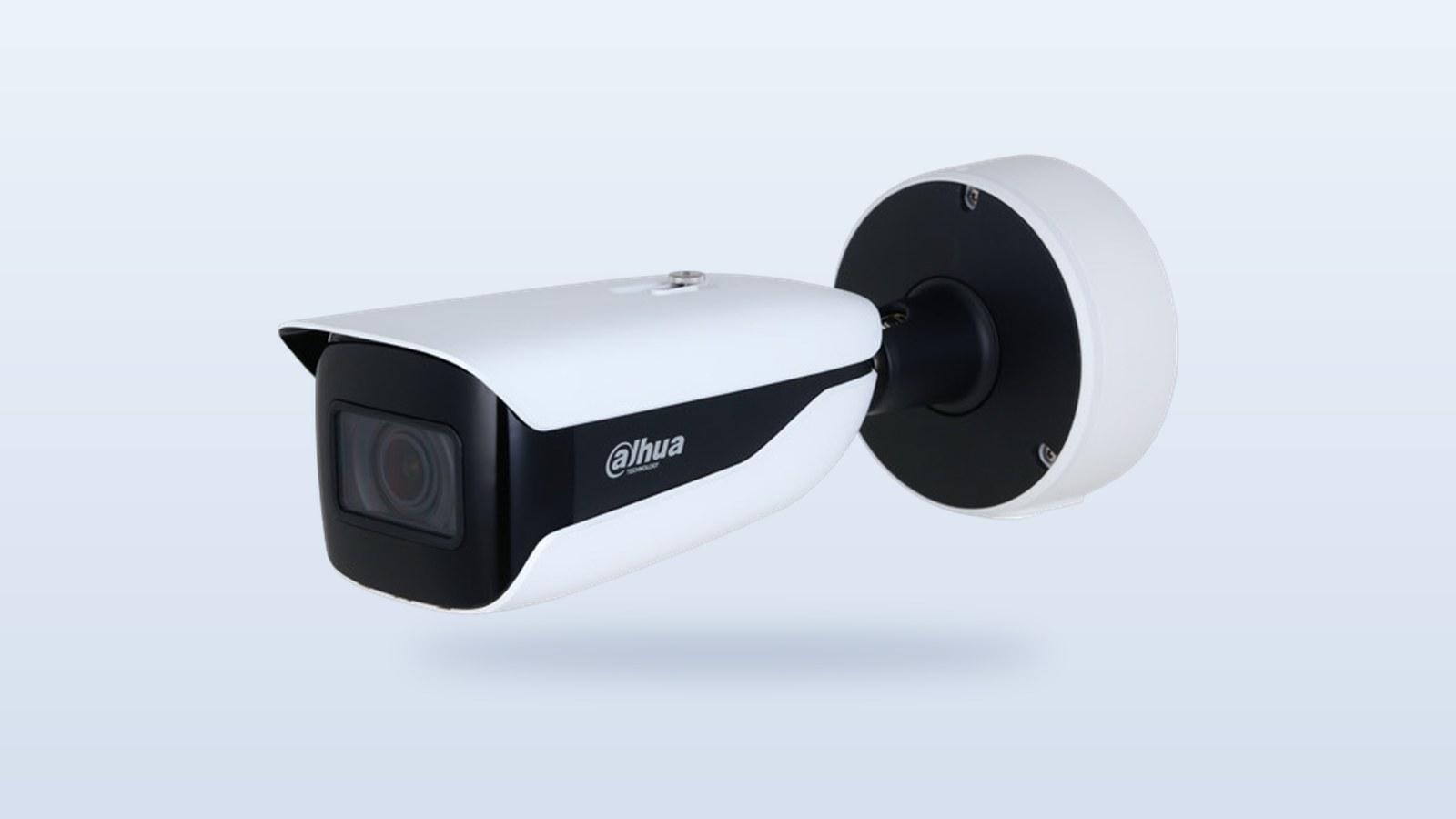
- The New Forward Mains-Powered Portable AI CCTV Unit (model NF-AIC-220V) has four parts: a Dahua DH-IPC-HFW7442H-Z-X 4 MP WizMind AI camera, a 2 m portable tripod, a lockable IP66 enclosure and a 12V siren/strobe (≥100 dB).
- The enclosure holds an industrial 4G router, a DIN-rail 220V-to-12V power supply, an RCBO (30 mA), a surge protective device and individually fused outputs; the only external connection is one waterproof 220V inlet with a 10 m cable to the site supply.
- The camera runs on 12V directly; the whole unit draws about 10 W normally and about 30 W at peak. All cable entries are on the underside with waterproof glands.
- About 10 kg including the tripod, so one person can carry it; the tripod height adjusts (about 2.0–2.3 m), its feet take sandbags, and it can be lowered or guyed in strong wind.
- AI at the camera: deep learning in the camera itself runs PPE detection (safety helmet, reflective vest) and intrusion, tripwire and area rules, cutting false alarms from light changes or animals.
- Instant on-site warning: on a violation the camera's alarm output drives the siren/strobe directly, sounding within about 1 second without going through the network; our SSSS smart-site platform can also trigger it remotely through the 4G router.
- Central recording over 4G: the camera registers itself to your Dahua NVR over 4G for recording and AI event playback — no fixed-IP SIM on site — while its microSD card keeps a local backup.
- 24-hour operation: mains power means no dependence on sunlight or battery capacity; to relocate, unplug and fold the tripod — about 10 minutes.
- New Forward surveys each work front and sets camera angle, detection zones and siren position, and confirms the 220V point's distance and plug type.
- Each unit is wired, configured (router and camera) and soak-tested for 24 hours before delivery; on site it goes live once plugged in.
- New Forward connects it to your existing Dahua NVR, mobile app and SSSS platform, with inspections and repairs under contract.
- Where there is no power on site, choose the solar version (panel and battery case, no mains needed) — see the Solar 4G PTZ Camera and Rapid Deployment IP Camera System.
Dahua WizMind deep learning in the camera detects missing safety helmets and reflective vests, plus intrusion, tripwire and area rules — no separate server.
The camera's alarm output drives a ≥100 dB siren/strobe directly, without the network, to warn front-line staff at once; the SSSS platform can also trigger it remotely over 4G.
The camera registers to your Dahua NVR over 4G for recording and AI event playback, with live view on phone or PC; a standard 4G SIM is enough on site.
A 10 m cable connects to the site's 220V supply — no solar panel or battery. Mains power means stable 24-hour operation in any weather.
About 10 kg with the 2 m tripod. Unplug, fold the tripod and move it in about 10 minutes, following the work as it progresses.
RCBO (30 mA), surge protection and individual fuses inside the enclosure; camera, router and siren are on separate circuits, with metal parts earthed.
An outdoor IP66 enclosure that locks, with cable entries only on the underside through waterproof glands; the camera itself is IP67 and IK10 rated.
The camera's microSD card keeps recording if 4G drops, alongside central NVR recording for two copies of the footage.
AI-powered video analytics for proactive monitoring across commercial, industrial, government, and public environments.
ELV design and deployment for IP/analogue CCTV, access control, and intercom, with optional video walls and AI analytics.
DSS Professional-based platform for unified video, access, intercom, alarms, POS, radar, and AI operations across multiple sites.
A self-contained, solar-powered 4G surveillance sentry: camera, mast, solar power, energy storage and 4G networking integrated into one rapidly deployable unit that one person sets up and raises in about two minutes — no trenching, fibre or mains power. It carries a Dahua DH-P3AE-PV-4G 3 MP AI pan-tilt camera with human/vehicle detection, smart dual illumination and active sound-and-light deterrence, and runs 2+ days off-grid on solar and a 12 V marine battery — ideal for remote/off-grid, construction, marine floating platforms and temporary/event sites.